


A tropical paradise
Mozambique is a tropical paradise, with a vibrant culture, friendly laid-back people, a myriad of cultures and an intriguing history. Bordered by the Indian Ocean, the palm-fringed pristine white beaches are lapped by warm, enticing crystal clear waters. This is also a diver's dream, as the unspoilt 2,750 km coastline boasts over 1,000 species of marine life and hundreds of beautiful coral reefs.
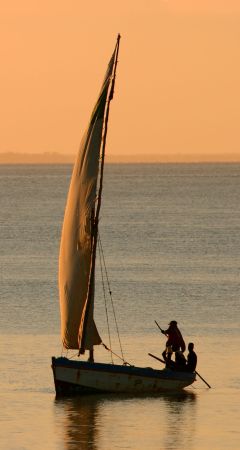 Whether you want to enjoy the wealth of watersports on offer or explore the ocean depths with a snorkel or scuba tank, sip a cocktail on a sunset dhow cruise while watching the sun slip into the Indian Ocean, embark on a cultural tour, or simply relax around a beautiful swimming pool - however you choose to spend your time in this amazing country, you will soon realise that Mozambique truly is a tropical paradise.
A former Portuguese colony, whilst Portuguese is still the official language, English is today widely spoken throughout the country.
Safari Combination
A beach stay in Mozambique makes an ideal add on for a few days, or even a week or longer depending on how long you have, after a Big 5 safari in South Africa, Zimbabwe, Botswana or even East Africa.
If you want your time at the beach to truly complement your African safari experience, then Mozambique is the answer. The lodges and guest houses are small - there are no large resorts along the Mozambique coastline - so you will be able to transition with ease from the intimate feel of a safari lodge into a similar welcoming and personal experience for the beach part of your holiday.
Working South to North, this is what the country can offer you.
Maputo
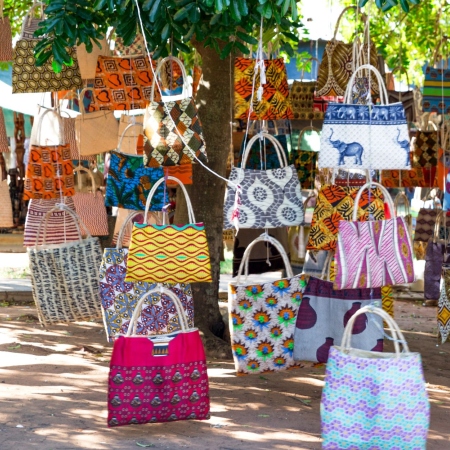 The capital of the country, Maputo (the name was changed from Lourenço Marques in 1976) is situated on the coast.
Whilst not usually viewed as a beach destination, if your itinerary does include a stop over in Maputo, the city is home to colourful markets, abundant seafood, a vibrant night life and some top hotels such as the Serena Polana, the Radisson Blu, or the Southern Sun Maputo.
A city tour will reveal some interesting Portuguese colonial architecture, including the bronze-domed CFM Maputo Railway Station. For film buffs, this building appeared in the 2006 film Blood Diamond, starring Leonard di Caprio - although the CFM logo was removed during the filming!
The Maputo Cathedral is another attractive building, and has stunning stained glass windows.
If you are arriving into Maputo and don't want to travel too far to a beach, Machangulo is an hour's drive away from the city, and White Pearl is 90 minutes. A highlight of a stay at either of these properties during November to February is being able to witness baby turtles hurtling down the sands to the ocean. In addition, at White Pearl you can snorkel with wild dolphins - one of the few places in Africa where sightings of the dolphins are virtually guaranteed very trip.
 Inhambane and Tofo
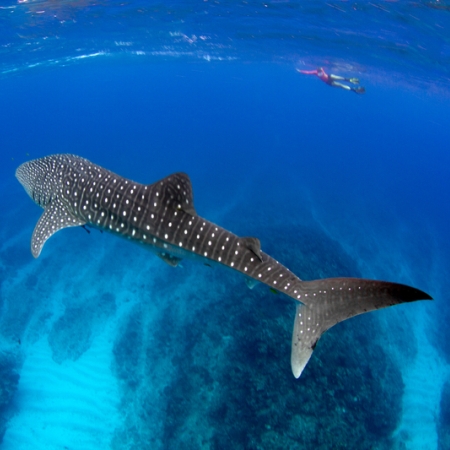
Inhambane (pronounced 'In-yam-barn') and Tofo are both about 500 km northeast of Maputo, situated on the coast. This area of coastline is known for its manta ray and whale shark sightings and this is the place to go to if you want to encounter these ocean beauties.
Whale sharks tend to feed just under the surface of the water, so you can easily snorkel above these huge but harmless creatures whilst they are devouring their favourite meal of plankton. The months of October through to January are the best time to see whale sharks.
Manta rays live deeper in the ocean depths, so you have to be a diver to see them. There are many dive schools based here, so even if you are a complete novice, you can take a beginners course so you do not miss out on the opportunity to say you have scuba dived with a manta ray.
Other activities that can be enjoyed here include horse riding, kite surfing, mangrove canoeing and cultural tours.
The Bazaruto Archipelago
Just 30 km offshore to the south of the country's coastline, the Bazaruto Archipelago is one of the most beautiful places on the African continent, complete with azure waters, sandy beaches, palm trees and pristine coral reefs with tropical fish. Made up of just a small cluster of main islands and declared a National Park in 1971, the archipelago also can boast being home to 180 species of birds, endemic butterflies, Suni antelope and freshwater crocodile.
 Bazaruto Island is the largest of the islands, followed by Benguerra Island, and these two islands are home to luxury beach resorts such as Anantara Bazaruto Island Resort and Azura Benguerra Island.
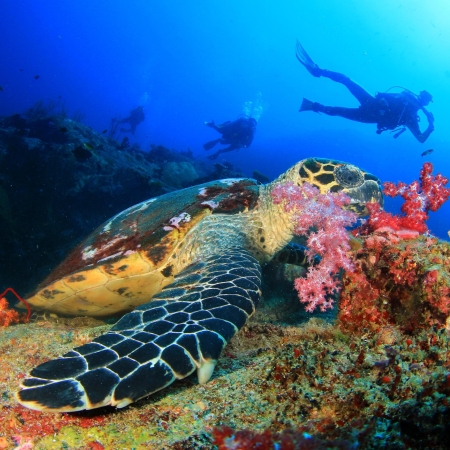
The protected reefs and beaches support dolphin, dugong, game fish, manta rays, giant lobster and several species of marine turtle. The calm and crystal clear turquoise waters are perfect for scuba diving and snorkelling. The Two Mile Reef here is one of the best dive sites in the world, offering amazing visibility up to 40m as well as a huge variety of spectacular marine and coral life.
Back on the islands' shores there is plenty to do - horse riding, 4x4 guided trips around the islands, boat trips to the smaller Pansy Island for a beach picnic, sandboarding, and of course the all important lying in a hammock under the shade of a gently rustling-in-the-slight-but-nice-breeze palm tree and soaking up the laid-back Robinson Crusoe atmosphere.
Vilanculos
The mainland town of Vilanculos is the gateway for all trips to the Bazaruto Archipelago. However, it is also an idyllic beach destination in its own right, with beautiful beaches, stunning sunsets and palm trees, as well as a cluster of fantastic accommodation options such as Bahia Mar and Santorini Mozambique.
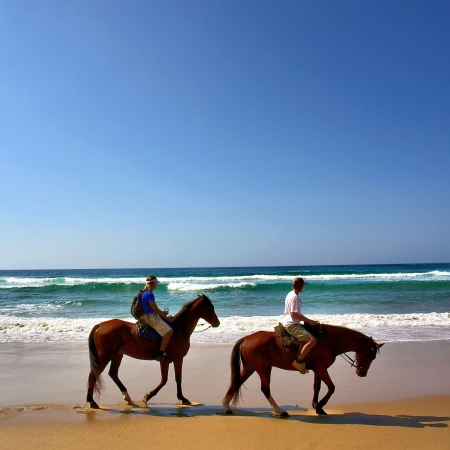 With views over the ocean to the Bazaruto Archipelago in the distance, many local operators offer day trips to the islands for those keen to go diving or snorkelling here, so you don't miss out on seeing the marine life, or you can take to the skies in a helicopter and see the islands from above. Other activities include taking a dhow trip along the coast to try to spot dolphins, heading out on a fishing trip in search of black marlin, yellowfin tuna or dorado, horse-riding along the beach, or trying your hand at kite-surfing.
Ilha de Mozambique
A small island reached by a long bridge from the mainland, this has been dubbed 'The Small Zanzibar of Mozambique'. Full of character and history, and rich in African, Arab and Portuguese culture, it is a place to visit if you are looking for more than just a beach vacation but only if you are prepared to make some effort, as the island is not on the main tourist trail.
The 3 km long island has World Heritage site status and a trip here will feel as if you have ventured into a land that time forgot. There are many interesting places to take in - including the San Sebastiao Fort at the northern tip of the island (the oldest complete fort still standing in sub-Saharan Africa and dating back to the 16th Century), the Chapel of Nossa Senhora de Baluarte (the oldest European building in the Southern Hemisphere and set inside the fort so there is no excuse to miss this out!), historic Stone Town (dating back to the 14th Century and the old capital of Portuguese East Africa until this status went to the city of Lourenco Marques in 1907 - now Maputo), the imposing Palace of Sao Paulo (the former Governor's Residence dating from 1610 and now a museum), and the traditional thatched-roof-and reed town of Makuti in the south of the island, where the majority of the islanders now live.
Pemba
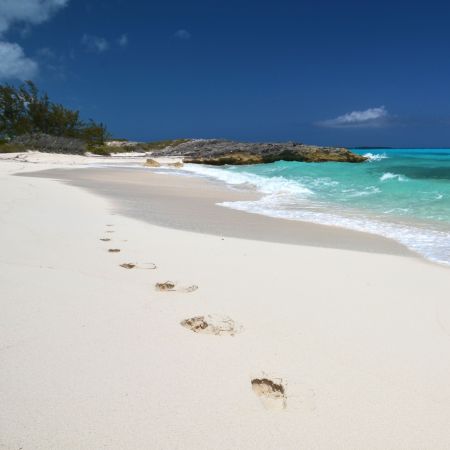 Further north on the mainland lies the ancient port city of Pemba, also popular with watersport and diving enthusiasts as a coral reef lies close to the shore. Pemba is a vibrant town, and is famous for its large local market or souk, where you can buy anything and everything from the thousands of stalls here.
Quirimbas Archipelago
Offshore from Pemba lies the remote Quirimbas Archipelago - a chain of 32 large and small islands that stretch for 250 km along the northern Mozambican coastline, and which are virtually untouched and unexplored.
The Quirimbas National Park, which includes 11 of the islands and a tropical mainland forest, provides a protective sanctuary for the coral islands, flora and fauna in the area, including feeding and nesting grounds for sea turtles, dugongs, dolphins, sharks and whales.
Ibo Island is one of the best known of the islands, and has a fascinating history of slavery, magnificent old fortresses, coral reefs and mangrove swamps.
Unfortunately, due to political unrest in this northern area, it is not advised to travel to Pemba and the Quirimbas Archipelago at the moment.
Getting Here
There are daily flights from Johannesburg to Vilanculos, Maputo and Pemba, as well as a direct flights from Kruger Mpumalanga to Vilanculos 4 times a week (these flights do not operate currently on Tuesday, Thursday and Saturday). Especially if you are planning on going on an exciting safari before you head to the beach, these flight options make Mozambique an easy beach destination to get to for some relaxation time after time spent searching for Africa's wildlife.
You can also connect with Pemba from Dar es Salaam and Nairobi, making it possible to combine an East African safari with a Mozambique beach stay as well.
It is also possible to drive from Nelspruit to Maputo - this is via a good tarred road and takes about 3 hours, depending on the time taken at the border post - so this option is ideal for anyone coming from a Kruger safari and who wants see a bit more of the countryside en-route to their final beach destination.